




By Claudia Gardner:
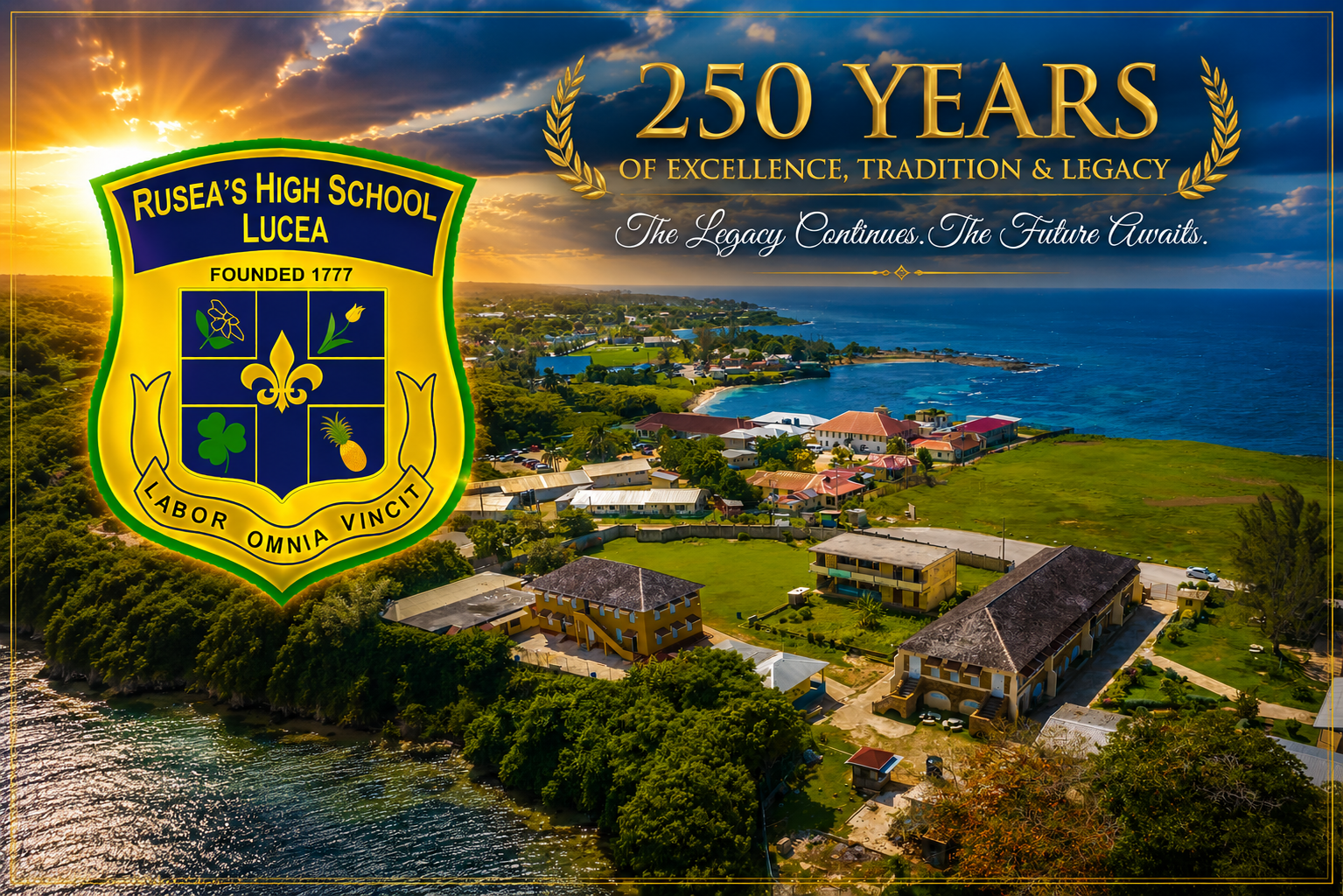
The Pearl of Hanover, Rusea’s High School, will reach an extraordinary milestone in 2027, celebrating 250 years of educating, inspiring and producing generations of remarkable Jamaicans.
It is a momentous occasion that calls for a celebration worthy of the school’s extraordinary legacy and the thousands of Ruseans whose achievements have carried its name far beyond Lucea where the institution is located.
For generations of students, teachers, parents and residents of Hanover, Rusea’s has been woven into the social, educational, cultural and sporting history of Lucea and western Jamaica. As the countdown begins, Rusea’s past students—affectionately known as “Russians”—should start getting ready to come home and celebrate an institution whose story stretches back to the 18th century.
A 250-year legacy
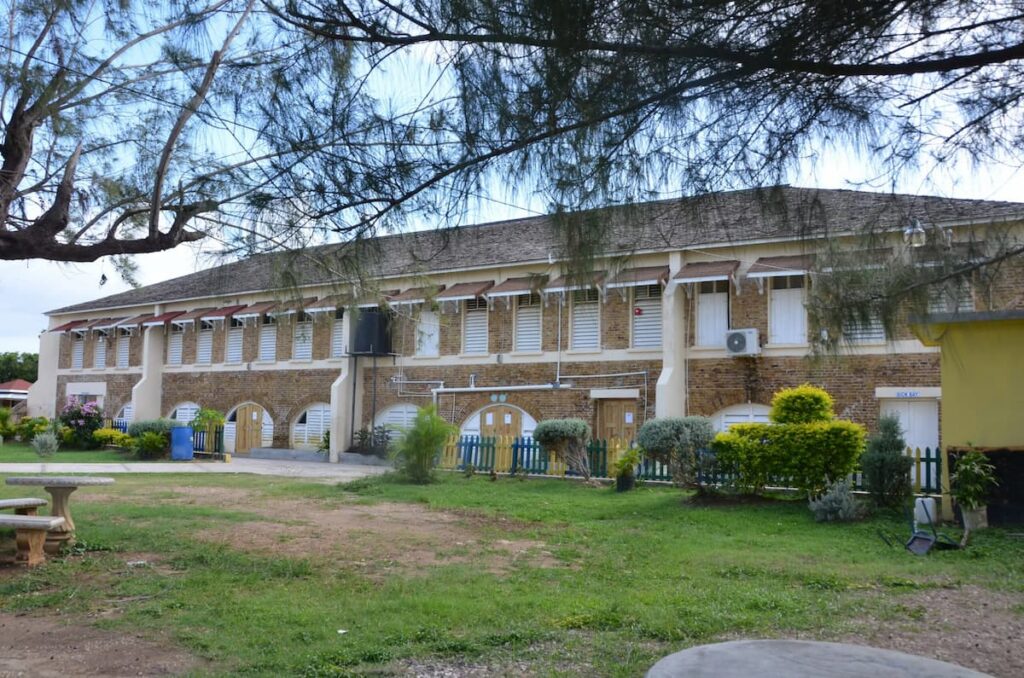
Rusea’s was established in 1777, following the bequest of French refugee Martin Rusea, who left his estate to establish a free school in gratitude to the people of Hanover who had helped him after he was shipwrecked. An Act was passed by the Assembly of Jamaica on December 3, 1777, establishing the Trust responsible for the school.
That history makes Rusea’s not merely an old school, but one of Jamaica’s great surviving educational institutions. It is regarded as the fourth-oldest continuously operated high school in Jamaica.
Two hundred and fifty years is an extraordinary achievement for any institution. For a school to survive—and continue educating successive generations—for a quarter of a millennium is something that deserves national attention.
Think about what 250 years represents. Rusea’s was already operating before Jamaica became an independent nation, before emancipation, before the abolition of slavery, before the development of modern Jamaica and long before the educational system Jamaicans know today existed.
Generations of Hanoverians have passed through its classrooms. Some became teachers, doctors, lawyers, scientists, business leaders, broadcasters, entertainers, public servants and politicians. Others became outstanding sportsmen and women. The school’s influence therefore extends well beyond its campuses in Lucea.
And then there is the football
For many old students, however, mention of Rusea’s immediately brings football to mind.
The school has won the DaCosta Cup 11 times, making it the second-most successful school in the competition’s history behind Cornwall College, which has 12 titles. Rusea’s victories came in 1984, 1985, 1987, 1989, 1990, 1992, 1993, 2002, 2010, 2011 and 2017.
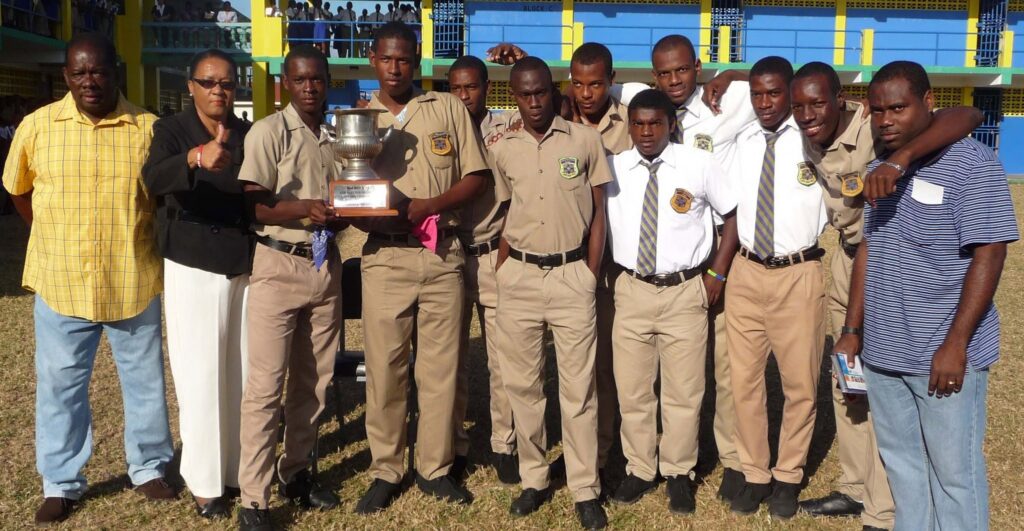
But no year in Rusea’s football history—and arguably no year in Jamaican schoolboy football history—compares with 1985.
That was the year the “Russians” created a record that remains unmatched.
Having already conquered the DaCosta Cup, Rusea’s went on to capture the Ben Francis Cup, Olivier Shield and Nutrament Shield, giving the Lucea school all four major schoolboy football titles available at the time. It was the first and remains the only schoolboy football grand slam in Jamaica.
The achievement was particularly remarkable because Rusea’s had established itself as the champion of rural schoolboy football while defeating opposition from across the island. The 1985 team became legendary, and several of its players went on to represent Jamaica at the national level.
Among the footballers associated with that golden era were Aaron Lawrence, Mark “Hagler” Wilson, Stephen “Shorty” Malcolm, Caple Lawrence, Michael Graham and Donald Hewitt. Later Rusea’s football products included players such as Easton “Fuma” Smith, Deshane Beckford and Brian “Rambo” Brown, many of whom also went on to represent Jamaica.
Aaron Lawrence went on to become a Jamaican international goalkeeper, making more than 70 appearances for Jamaica according to available records. Stephen “Shorty” Malcolm also became a Reggae Boy and represented Jamaica at the 1998 FIFA World Cup.
The 1985 achievement therefore belongs not only to Rusea’s but to the history of Jamaican football.
A school that produced national figures
The list of accomplished Ruseans extends far beyond football.
Among the school’s most distinguished former students is Professor Kenneth Octavius Hall, who became Jamaica’s fifth Governor-General. Hall, who was born in Lucea, attended Rusea’s and went on to an illustrious career in academia before becoming Governor-General in 2006. The National Library of Jamaica records that he also began his teaching career at Rusea’s, where he taught from 1961 to 1963.
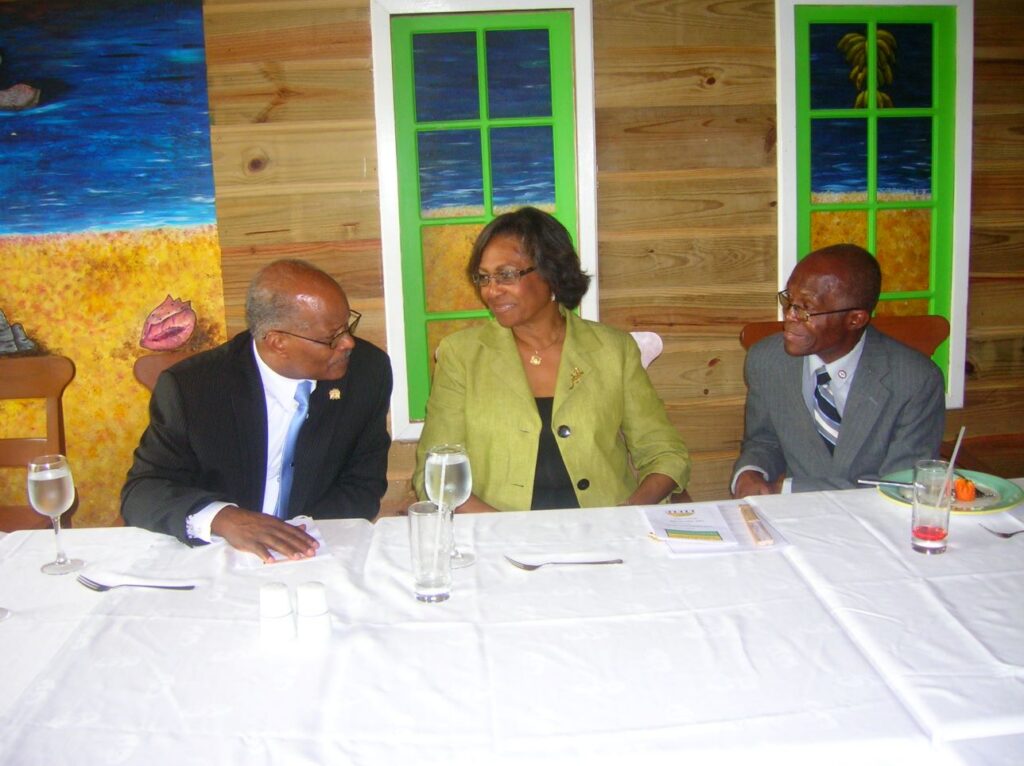
Then there is Justice Seymour Panton, whose distinguished legal career culminated in his appointment as President of Jamaica’s Court of Appeal. He was inducted into the Martin Rusea Hall of Fame for his contribution to law.
Other prominent Rusean leaders include Errald Miller – telecommunications executive and former CEO of Cable & Wireless Jamaica, Olympian Merlene Ottey, Major Clive Davis (Ret’d) who formerly headed the Office of Disaster Preparedness and Emergency Management and Basil Fernandez, former head of the Water Resources Authority.
These are only some of the names. ROSA—the Rusea’s Old Students Association—has previously honoured numerous former students for achievement in medicine, science, education, law, business, religion, media and the arts.
250 years deserves a homecoming
The school’s 230th anniversary in 2007 already brought Ruseans together for a major international reunion, with former Prime Minister P.J. Patterson among those attending and Professor Kenneth Hall and Justice Seymour Panton among those recognised. ROSA has also maintained chapters and connections among past students in Jamaica, the United States, Canada and the United Kingdom.
But 250 is different.
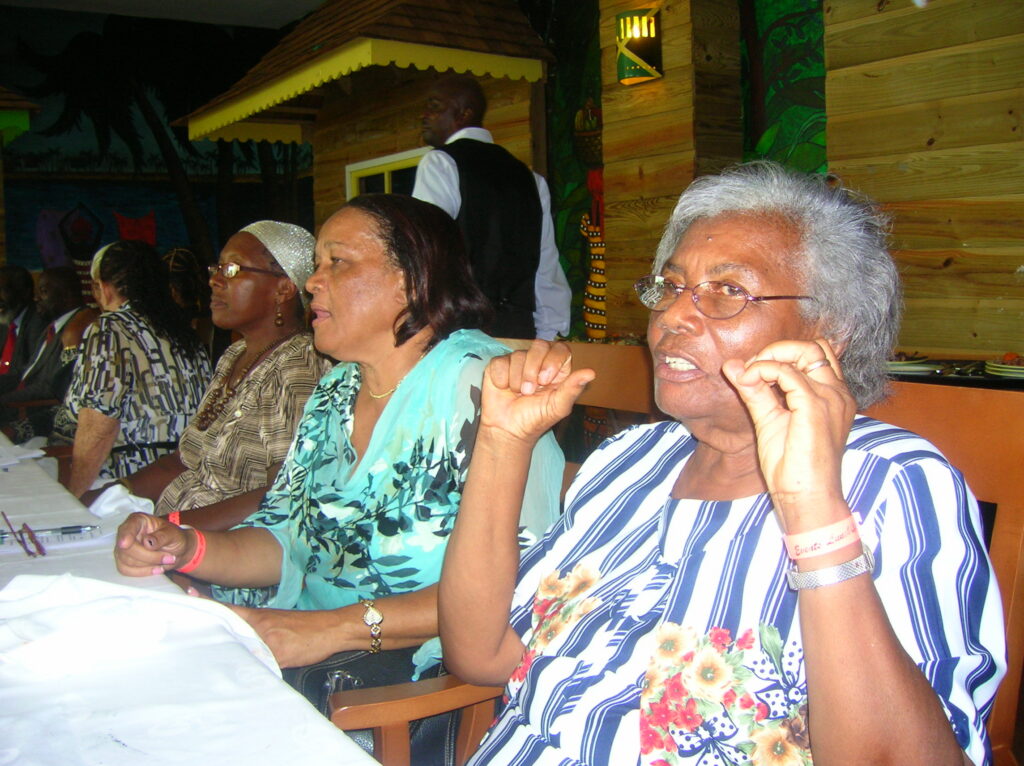
A 250th anniversary is a once-in-a-generation milestone. Many people who attended Rusea’s have never had the opportunity to participate in an anniversary celebration of this magnitude. Former students who left Lucea decades ago may now be living in Kingston, Montego Bay, Florida, New York, Toronto, London or elsewhere around the world.
2027 should be the year they come home.
It should be a year for old classmates to find one another again, for former teachers to be recognised, for legendary footballers to return to the field, for accomplished Ruseans to be honoured and for younger generations to hear the stories of those who walked the corridors before them.
It should also be an opportunity to preserve the school’s extraordinary history—not simply through parties and reunions, but through photographs, oral histories, archives, exhibitions, documentaries, publications and permanent displays that future Ruseans can inherit.
Most importantly, the 250th anniversary should remind the country that Rusea’s is not simply celebrating how old it is.
It is celebrating what 250 years of educating Jamaicans has produced.
From Martin Rusea’s act of gratitude in the 18th century, through generations of teachers and students, to Governors-General, judges, scientists, doctors, entrepreneurs, entertainers and Reggae Boyz, the story of Rusea’s is ultimately the story of people.
And in 2027, after 250 years, the Russians have every reason to come home.
The countdown to 250 has begun.






Good article, one correction and an addition.
The 1985 captain was Linton ‘Conch’ Stewart and the name Caple Lawrence is incorrect, it is Caple Donaldson, now deceased.
Blessings Clinton. Thank you. Hope to see you at the events!
Comments are closed.