



By Claudia Gardner:
NEGRIL, Jamaica — Minister of Efficiency, Innovation and Digital Transformation Ambassador Audrey Marks has pledged to address the longstanding regulatory challenges facing Jamaica’s hotel sector, particularly smaller properties struggling to maintain the numerous compliance requirements needed to operate legally.
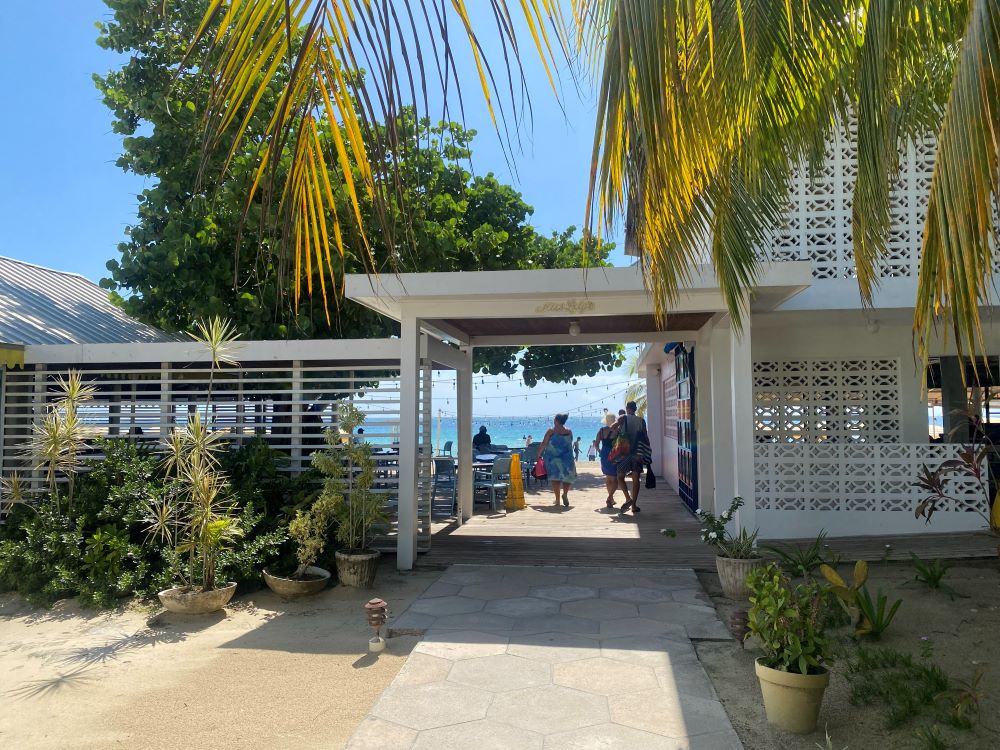
Ambassador Marks made the commitment during a question-and-answer segment at the Jamaica All Island Chambers of Commerce Quarterly Luncheon held Saturday at the Skylark Negril Beach Resort. The event was hosted by the Negril Chamber of Commerce and brought together hoteliers, business leaders and other tourism stakeholders.
The issue was raised by hotelier Sophie Grizzle, a director of the Negril Chamber of Commerce, who painted a troubling picture of the regulatory hurdles faced by hoteliers across the island.
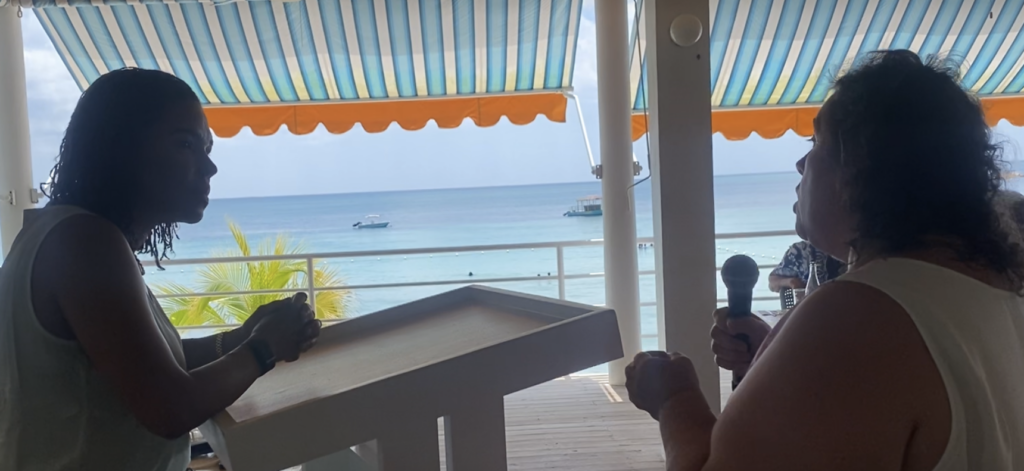
“In the hotel industry small hotels go anywhere between 15 and 20 certificates that we need to get every year for our tourist board license. Larger hotels go up to 120 certificates,” Grizzle told the Minister.
Grizzle who co-operates the Charela Inn on Norman Manley Boulevard, explained that many operators, especially smaller hotels, are finding it increasingly difficult to keep all of their compliance requirements current at the same time, due to the involvement of multiple agencies and the varying expiration timelines attached to each approval.
“We have small hotels who are not able to get their license, because it’s so difficult to get the fire brigade license at the same time, as a health license, at the same time as the water sports license,” she said.
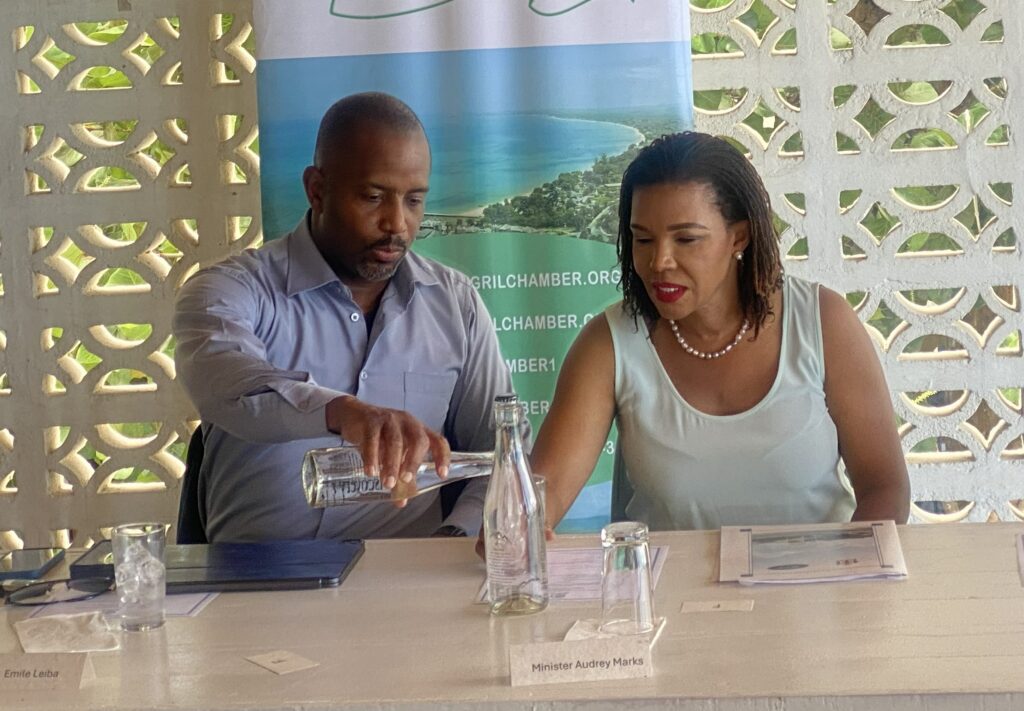
Grizzle added that the issue has plagued the tourism sector for years and appealed directly to Marks to use her new ministerial role to improve the system.
“It’s a problem that the industry has been facing for many, many years. As you are here, we are asking you to please look at what the hotel industry has to go through to maintain their operations every year, because it really is very, very difficult and some hotels just never have all the certifications at the same time and it’s a real big problem,” she said.
In response, Marks acknowledged the seriousness of the issue and indicated that she was already aware of the difficulties being experienced by tourism operators, noting that the matter is now among the priorities her ministry intends to examine as part of broader efforts to improve efficiency and ease of doing business in Jamaica.
“What I’ve noticed especially for the smaller hotels is that sometimes by the time you finish getting one the others expire. It is definitely on the priority listing. So we have to take back a look at that and see to make sure that we don’t stifle ease of doing business in order to get into those compliance. Probably we have to find the balance and you know I see that as my job. Yes, I will definitely work on that,” told Grizzle.
Tourism stakeholders have long complained about the complexity of maintaining annual compliance requirements involving multiple agencies, including the Jamaica Tourist Board (JTB), Tourism Product Development Company (TPDCo), Jamaica Fire Brigade, Ministry of Health and Wellness, National Environment and Planning Agency (NEPA), municipal corporations and other regulatory authorities.
Industry representatives have complained in the past that while safety and quality standards are necessary, the overlapping timelines, repeated inspections and fragmented approval systems create significant administrative burdens, particularly for small and medium-sized hotels. Many operators say that by the time one licence or approval is secured, another is already nearing expiration, resulting in a continuous cycle of renewals and inspections.
Compliance requirements in the tourism sector can include licences, permits, inspections, approvals, audits, certifications, renewals, operational standards and regulatory clearances. Large resorts may also be required to maintain numerous staff qualifications and safety certifications across multiple departments.

Mega hotels operate within an extensive regulatory framework which can involve well over 100 compliance requirements, including National Water Commission, Ministry of Labour, Bureau of Standards Jamaica and maritime authorities where watersports are involved.
Fire safety requirements alone can involve multiple inspections and approvals for alarm systems, sprinklers, extinguishers, emergency exits, kitchens, generators, electrical systems and evacuation procedures. Large properties with multiple restaurants, entertainment venues, spas and accommodation blocks may undergo dozens of separate fire-related inspections annually.
Environmental and public health compliance can further add to the load as hotels may require permits and approvals related to wastewater treatment, sewage systems, beach operations, coastal development and hazardous material storage, while health authorities may conduct separate inspections for kitchens, bars, pools, spas, water systems and food handling operations.