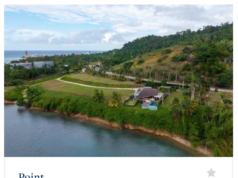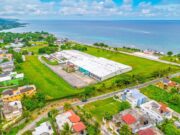


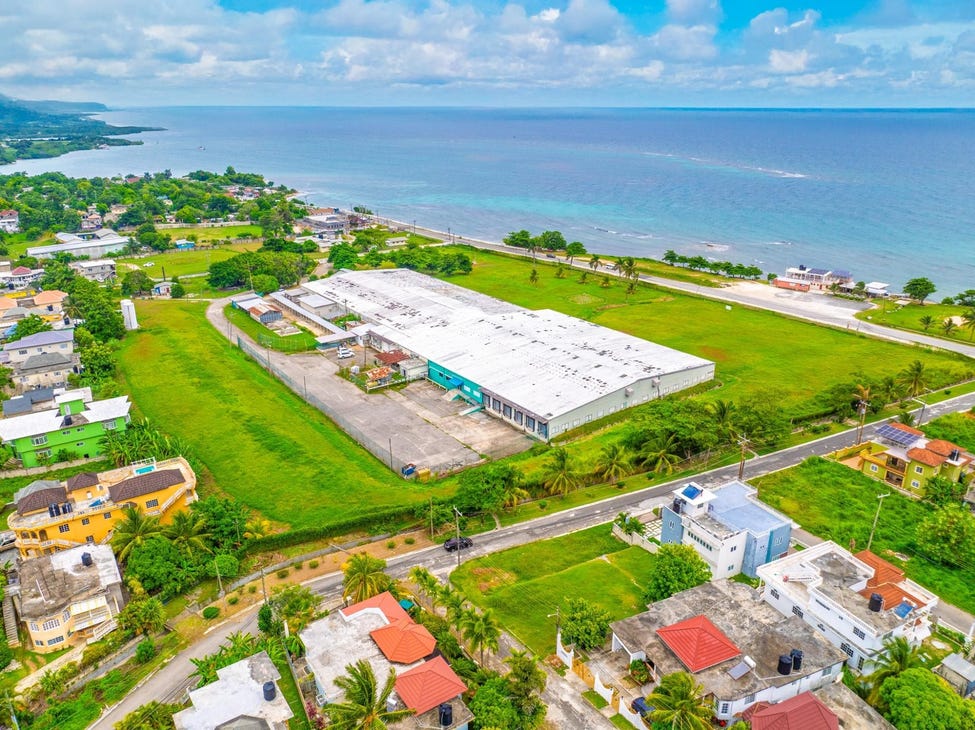
HANOVER, Jamaica:
Nearly two decades after the iconic Jockey International garment plant in Sandy Bay first closed its doors, the sprawling property that once provided steady employment for hundreds of Jamaicans is again in the spotlight — this time as one of Jamaica’s most intriguing commercial land listings.
The property was intermittently used over the years for various ventures, including call centre operations and small-scale industrial projects, keeping the facilities active even after the initial shutdown.
The current real estate listing highlights the site’s versatility, noting that its existing infrastructure—built for high-volume operations—could support institutional, commercial, residential, or mixed-use development. Its location between major tourism centres Montego Bay and Negril also enhances its appeal to investors looking to tap into Jamaica’s growing tourism and services economy.
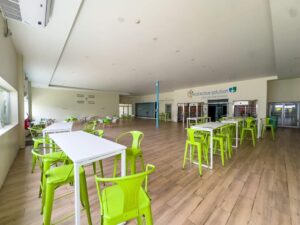
“The 12.34‑acre site with 90,000 sq ft of existing industrial and commercial building space, overlooking Jamaica’s scenic north coast, is being offered for sale at US $10 million. The property — ideally located between Montego Bay and Negril — boasts direct coastal frontage and infrastructure suitable for a wide range of redevelopments, from education and training institutions to business process outsourcing (BPO) operations or mixed‑use projects,” it reads.
“An exceptional investment opportunity awaits on Jamaicas north coast. This 12.34-acre property in Sandy Bay, Hanover features an 90, 000 sq. ft. building formerly used as the Jockey manufacturing plant and call center, with capacity to seat 3, 500+ persons. Ideally located between Montego Bay and Negril, the property offers flexible development potential perfect for a university, training institute, school, BPO operation, or mixed-use project,” it added.
It also notes that “the flat, accessible site is well-positioned for commercial or institutional transformation with existing infrastructure in place”, is easily accessible from major towns and tourism hubs and is suitable for redevelopment into educational, BPO, hospitality, or residential projects.
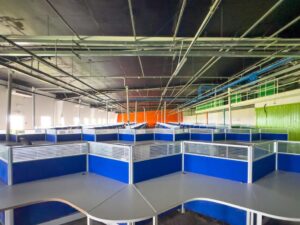
“Whether you’re seeking to invest in Jamaica’s growing education sector, expand BPO operations, or create a multi-use development in a sought-after location, this property delivers unmatched potential,” it said.
The Rise and Fall of the Manufacturing Giant in Jamaica
Jockey International, Inc. is an American company that manufactures and sells underwear, sleepwear, and sportswear for men, women, and children. Headquartered in Kenosha, Wisconsin, the company is best known for introducing the first men’s Y-Front brief in 1934. Today, the Jockey brand is a recognized trademark in more than 120 countries worldwide.

Jockey’s presence in Eastern Hanover dates back to the late 1990s, when garment production in Sandy Bay became a significant employer in the parish. However, in 2007 the company announced the closure of its Sandy Bay sewing plant, citing shifting consumer demand and the need to rebalance its production towards newer engineered products — a change that led to the relocation of operations to plants in Honduras and Costa Rica. This move was expected to affect nearly 600 workers at the time and also prompted the closure of a related facility in Millen, Georgia, USA.
Despite assurances from company leaders that impacted employees would receive redundancy pay, notice pay, and job‑training support, the closure left a noticeable gap in employment opportunities throughout western Jamaica.
Within a year, Jockey’s last remaining Jamaican operation in Lucea was also shuttered, completing the company’s withdrawal from the island by 2008 — a decision that contributed to economic stagnation in Hanover and underscored the vulnerability of heavy‑industry employment in the region.
Redevelopment Efforts and Future Potential
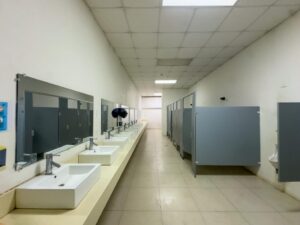
Over the years, the former factory space has seen intermittent interest from investors seeking to repurpose the site. In the early 2010s, parts of the property were eyed for food production ventures and, later, as a base for business process outsourcing services, reflecting evolving approaches to reviving jobs and economic activity in the area.
The sale prompt invites a look at how redevelopment in nearby parishes could influence regional opportunities. Negril’s own tourism‑driven economy — anchored by beaches, resorts, and entertainment — has shown resilience and growth potential. Integrating major institutional or commercial uses at Sandy Bay could help broaden employment opportunities beyond tourism while still bolstering services that support the wider resort corridor between Negril and Montego Bay.
Economic diversification, tourism links, and infrastructure improvements in areas like Sandy Bay could create new synergies, potentially drawing Negril’s workforce into expanded employment avenues and supporting local suppliers and businesses across the north and western coasts. – Claudia Gardner