

By Claudia Gardner:
For three decades, the Tryall-based sporting Summer Camp has offered children far more than something to do during the long holiday break. It has given them a place to learn, compete, make friends and discover possibilities that, for many, might otherwise have remained out of reach.
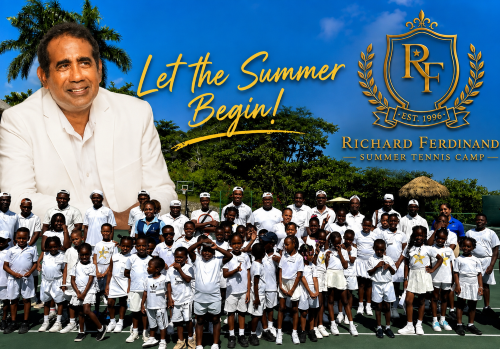
Now celebrating its 30th anniversary, the programme is marking the milestone by officially renaming its tennis component the Richard Ferdinand Summer Tennis Camp, honouring the man who helped create the programme and has guided its development over the years.
What began in 1996 as a tennis initiative has grown into a wide-ranging summer enrichment programme, bringing together children from Hanover and neighbouring communities for six weeks of sport, education, creativity and fun.
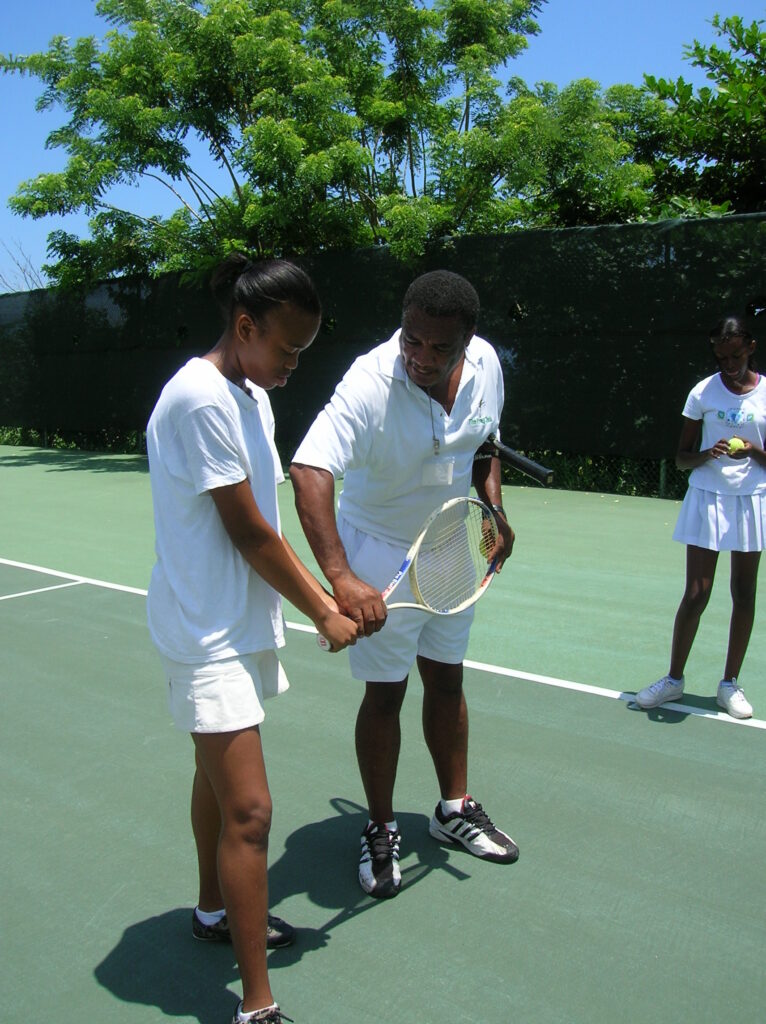
For Ferdinand, the purpose has always been bigger than sport.
“It gives the kids something that normally would not be reachable for them,” he told Negril Times in reflecting on what the camp has meant over the years.
The programme now attracts more than 150 children annually, between the ages of five and 18. They participate in tennis, golf and football, while also taking part in educational activities, environmental sessions, life-skills activities, games and a kids club where they can learn to make things and simply enjoy being children.
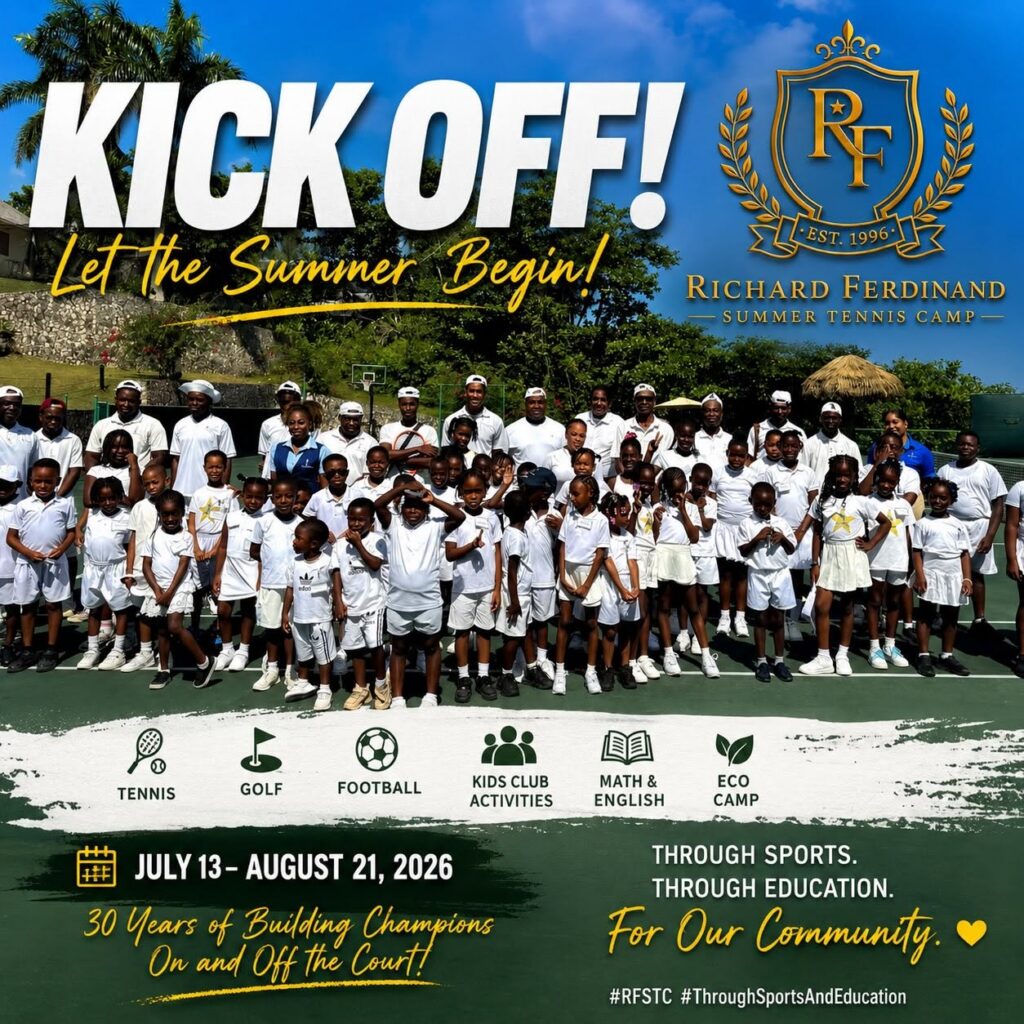
There is also practical support for families. The children receive refreshments and a daily meal, as well as camp shirts donated this year by Marvin Riley. The shirts, bearing the camp logo, mean parents do not have the additional expense of purchasing clothing for their children to participate.
But perhaps the camp’s greatest achievement cannot be measured in numbers.
It is the opportunity to place children from different backgrounds on the same playing field — literally.
Ferdinand recalls watching children of resort gardeners and housekeepers interact with children from management families, all coming together through sport.
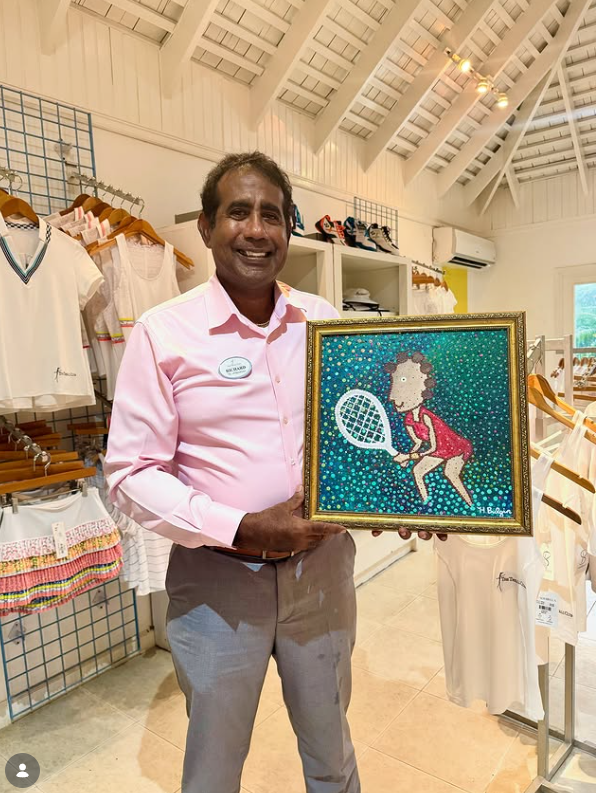
“And they all come together as one,” he said. “And the smiles on their faces is what really makes me feel fulfilled in doing this.”
The camp’s roots stretch back to an idea brought to Ferdinand by repeat Tryall guest Eugene Renz, who recognised the need for activities for children of resort employees. The programme initially focused on tennis before expanding to include golf and marine recreation, and later developing into the broader summer programme it is today.
Its influence can also be seen in the young athletes who passed through its gates.
One notable example is Winfried Weinbeer, the Lucea-born tennis player who trained at Tryall after initially learning the sport on a volleyball court. The resort provided him with access to its facilities at a time when suitable tennis infrastructure was limited in Lucea. Weinbeer went on to become one of Jamaica’s top junior players and earned a scholarship to play tennis and study in the United States.
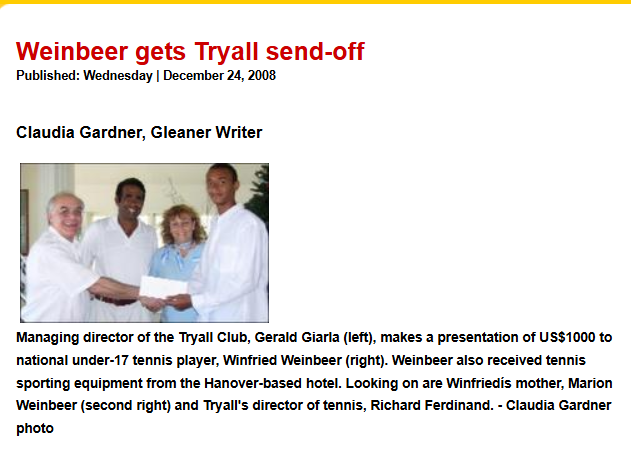
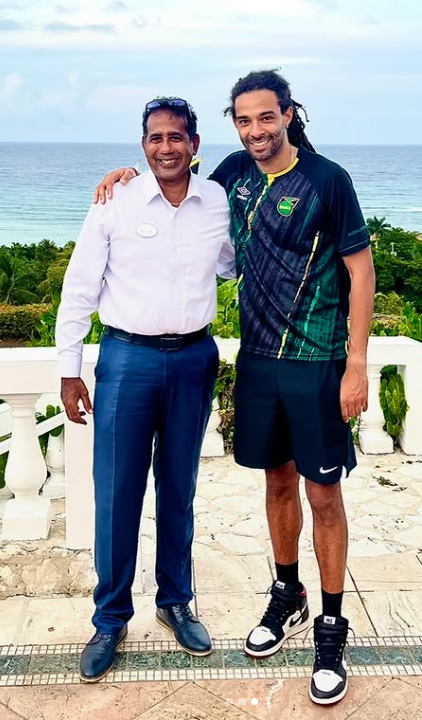
Another celebrated product of the Tryall tennis environment was Dustin Brown, who went on to become Jamaica’s highest-ranked player and compete at Wimbledon.
Ferdinand, however, has never viewed producing elite athletes as the only measure of success.
“We hope to produce more world-ranked players,” he said years ago, “but it is our higher goal to use tennis as a foundation for broader educational possibilities.”
That philosophy remains at the heart of the camp.
As the 30th anniversary is celebrated, the programme continues to evolve. Tennis remains central, but so too are mathematics and English tutoring, environmental education, golf, football and the simple lessons of discipline, teamwork, confidence and character.
For Ferdinand, the milestone is therefore not simply about looking back.
It is about recognising three decades of children who arrived at the camp looking for something to do and left with new skills, new friendships and, sometimes, a glimpse of a future they had never imagined.
Thirty years later, the court is still open.